The management of a homeowners’ association requires much more than arranging meetings or collecting dues. HOA boards must handle finances and enforce rules, maintain communication with residents, and maintain compliance with local regulations. Many communities, and particularly those governed by volunteers, are faced with the fact that these tasks are too difficult. HOA management software can provide a structured and practical way to handle these tasks through one centralized system.
Modern HOA platforms can replace paper spreadsheets and records with electronic tools. Boards can now oversee their daily operations using one dashboard, instead of navigating between several tools. This results in more efficient organization, less errors and a smoother experience for both board members and homeowners.
HOA Accounting Software Aids in Financial Transparency
Financial management is among the most important areas in any HOA. Without accurate records, communities risk budgeting mistakes conflicts, litigation, and problems with compliance. HOA accounting software simplifies financial tracking by syncing bank accounts and categorizing income and expenses automatically.
Real-time reporting gives boards immediate access to statements of cash flow, budget comparators, and profits and losses. These reports allow board members to make an informed decisions and provide clear updates to residents. Financial data that is accurate also helps build trust within the community as residents can clearly see how funds are used.
HOA Bookkeeping Software: Its function in the daily operations
Reliable bookkeeping plays a vital factor in stability over time. The bookkeeping software used by HOA is designed to minimize the need for manual input of data and ensures that each transaction is appropriately documented. Automated bookkeeping helps eliminate mistakes like duplicate entries, payment errors, and misclassified expenses.
Organization of financial records helps the boards to plan for audits and resolve disputes faster with the help of documents. This accuracy helps to improve accountability and the compliance of the association.
Simpler Invoicing and Online Payments
Collecting dues often becomes a stressor for HOA boards. Late payments impact cash flow and may require multiple subsequent follow-ups. Integrated invoicing tools allow boards to create and send invoices swiftly, while online payment options make it easy for residents to pay.
Payments made through digital methods such as debit cards, credit cards, and ACH transfers make it simpler for homeowners to pay. Automated payments remind homeowners to make their payments promptly and also reduce the administrative burden for board members. In time, this can lead to a steady flow of revenue and less collection problems.
Communication and Compliance Made Simple
HOA Conflicts are typically result from communication issues. Centralized communication systems permit boards to store every email message, notification, or notice within a single system. This provides a complete communication history that is accessible at any time.
Digital tools can also make compliance management more efficient. Boards are now able to manage their documents governing them and keep records of the meetings they attend. They also can create minutes electronically. Keeping structured records supports legal compliance and protects the association in case of disputes or regulatory audits.
Access to Homeowners and Document Management
Paper files can pose security risks and can slow information sharing. Boards are able to upload, arrange and share files in a safe way with the help of digital document management. Users with authorization can access important documents at any point in time.
A homeowner portal that is secure enhances engagement since it allows residents access to official documents, invoices, payment histories and community activities. Residents can submit requests and check their status online, thus reducing the need for manual communications.
Automation and Multi-Community Management
Automatizing administrative tasks can reduce the amount of repetitive work. Automated systems are able to send reminders, apply late fees, categorize expenditure and prepare reports. Board members can focus on strategic decisions instead of entering data.
Multi-community support lets property management companies manage several HOAs from one platform. The process of switching between communities is easy that allows property managers to increase their capacity effectively.
How to Pick the Best HOA Management Software
HOA management software should concentrate on solving the real challenges that residents and boards have to face. The best HOA management software integrates accounting, bookkeeping, payments communications, compliance, and even automation into a system that is user-friendly.
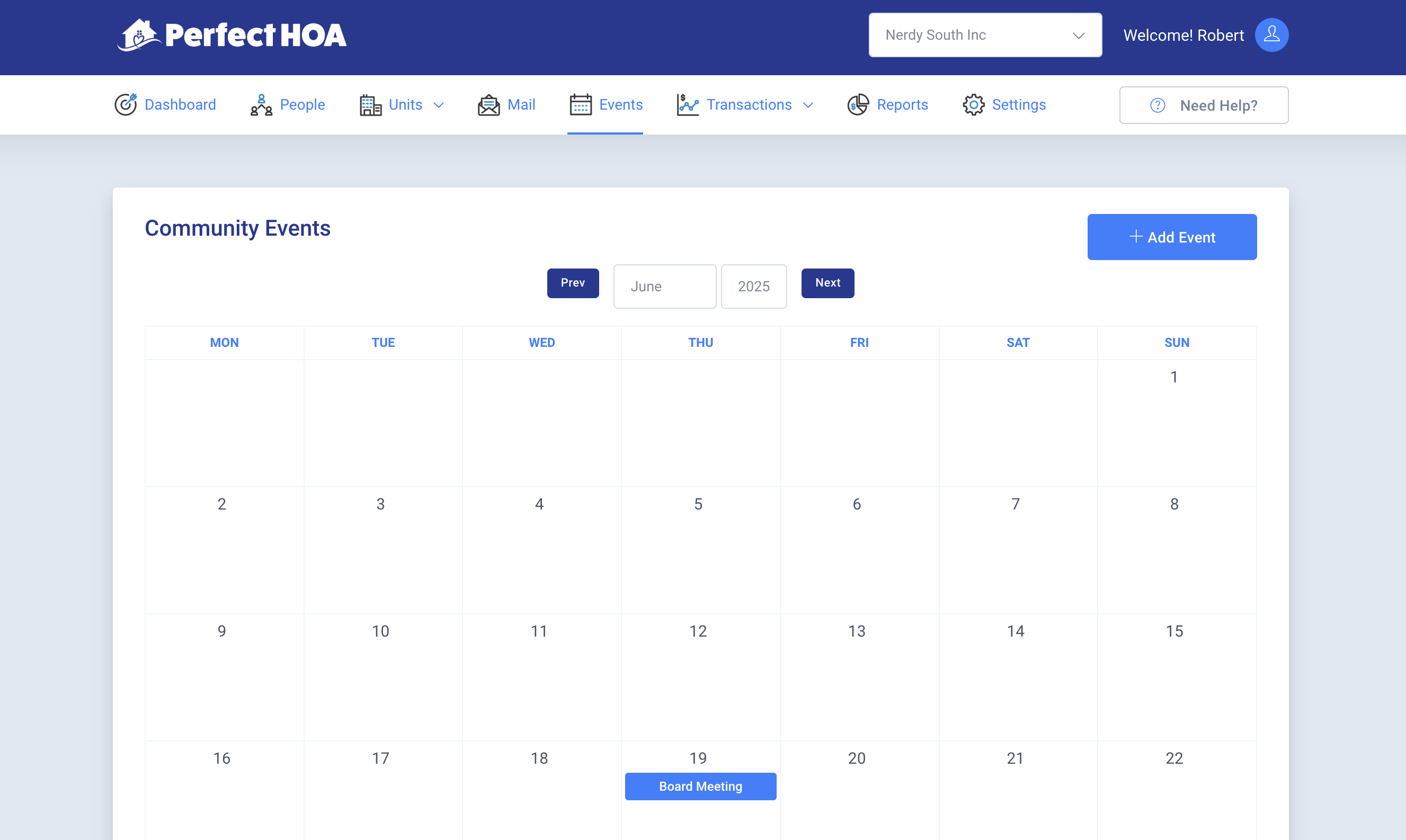
Perfect HOA represents a modern method of managing community by providing a cloud-based service that supports homeowners, board members, and property administrators. Through replacing outdated processes with digital systems the HOA can enjoy better control of their finances, enhanced transparency, as well as a more organized way to manage everyday activities.